Severe Hearing Loss Treatment in Jacksonville: How Early Intervention Changes Outcomes
November 19th,
2025
Hearing loss is not just about missing a few words; it’s about missing out on the precious moments of life. Living with untreated hearing loss, the world can gradually become quieter and more isolated.
When someone receives a diagnosis of severe hearing loss, whether in childhood or adulthood, the question of timing becomes critical. Research consistently shows that early intervention—addressing hearing loss as soon as it's identified—can dramatically improve outcomes across all age groups.
In this blog, we will discuss how getting prompt severe hearing loss treatment in Jacksonville influences quality of life and makes all the difference.
Why Timing Matters at Any Age
The human brain remains adaptable throughout life, but the benefits of addressing hearing loss promptly apply differently across age groups. For children, the first three years represent a critical window for language and cognitive development. The brain develops rapidly during this period, making it the ideal time to establish communication pathways.
Adults face different considerations. You might not consider your ears to be a gateway to your brain, but the connection is profound. When hearing loss is present, the brain must work overtime to decode "garbled messages," which draw crucial resources away from other functions like memory and attention. Research shows that untreated hearing loss in adults increases the risk of cognitive decline, social isolation, and depression.
The good news is that intervention can make a significant difference. Groundbreaking research from Johns Hopkins University found that hearing aid use was associated with a 32% lower prevalence of dementia in individuals with moderate to severe hearing loss.
The Power of Early Intervention
The benefits of addressing hearing loss extend far beyond the brain. Early intervention is crucial, as it helps you to stay connected to the world around you. When hearing is clearer, communication becomes less exhausting, which leads to a greater desire to engage socially.
Furthermore, improved hearing can enhance your physical safety. Being able to hear environmental cues clearly helps with spatial awareness and balance. In fact, USF Health research suggests that alleviating hearing problems may free up mental resources, which allow you to be more physically active and stable.
Severe Hearing Loss Treatment in Jacksonville
Nowadays, people have access to several treatment approaches for severe hearing loss, with options suited to different needs and life stages.
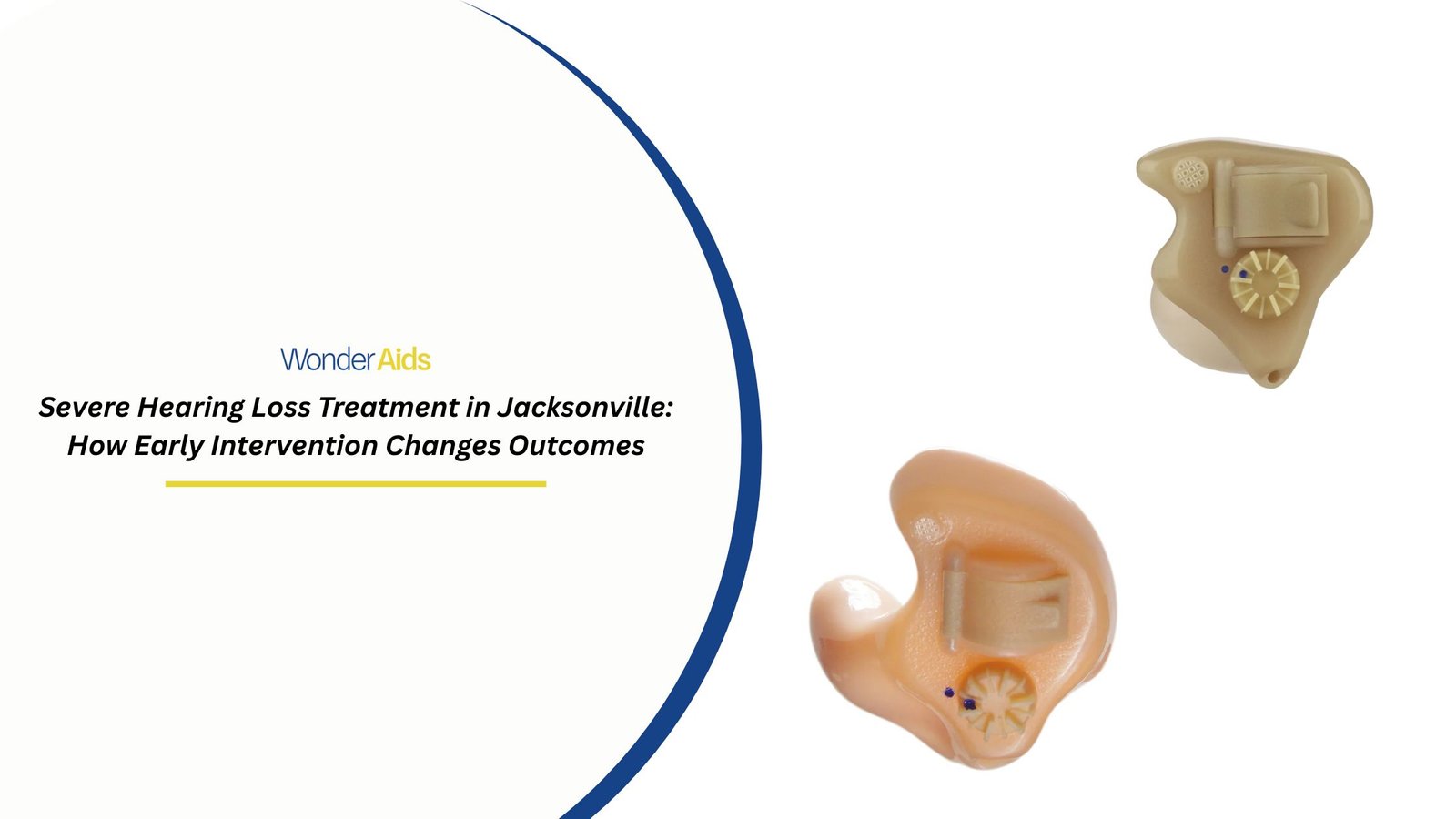
- • Hearing aids
- • Cochlear Implants
- • Auditory Rehabilitation
Realistic Expectations About Outcomes
Children
Parents deserve honest information about what early intervention can achieve. Children with no additional disabilities who received early intervention showed cognitive and language scores significantly higher than those receiving late intervention. The difference matters for school readiness and future learning.
However, research reveals ongoing challenges. Children with severe hearing loss who received early intervention still scored below normative populations on language development measures. This doesn't mean intervention fails. Rather, families should maintain realistic expectations while pursuing every available advantage for their child.
Adults
Adults approaching hearing treatment with realistic expectations tend to experience better satisfaction. Hearing aids don't restore hearing to normal levels. Instead, they provide improved access to sounds and speech, which makes communication easier but not effortless.
The adjustment period matters. New hearing aid users need time to adapt to amplified sounds. The brain must relearn how to process auditory information, particularly if hearing loss has been present for years. Patience during this adaptation period leads to better long-term outcomes.
A Future of Clear Sound and Clear Mind
If you or your child has been advised to get severe hearing loss treatment in Jacksonville, immediate action makes a difference. The experts can recommend appropriate devices and connect you with therapy or rehabilitation services.
Don't wait for perfect circumstances or complete information. Research consistently shows that earlier intervention produces better outcomes across all age groups. While no treatment restores hearing to typical levels, proper intervention provides the tools needed to maintain communication, relationships, and quality of life.